


What is High Blood Pressure?
Blood pressure is a measure of the force that your heart uses to pump blood around your body. This pressure is affected by small smooth muscles that line the inside walls of your blood vessels.
When these muscles are relaxed, your arteries operate like soft rubber tubes that expand with each beat of your heart, and your blood pressure remains normal.
When these muscles tense up, the arteries become narrower, more rigid and less flexible. So, the heart has to beat harder to keep the blood flowing which raises pressure.
If these muscles are tense all the time, the blood pressure remains high. This is referred to as high blood pressure or hypertension!
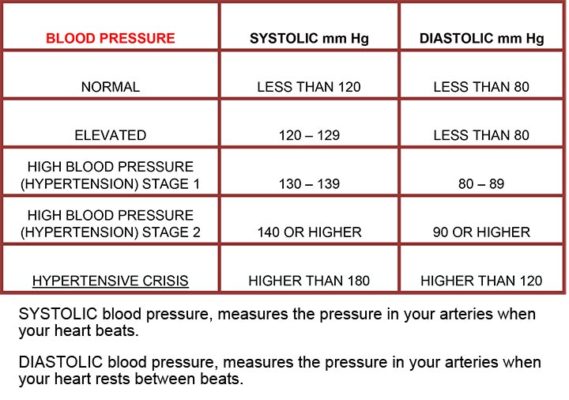
Continuous high blood pressure puts extra strain, wear and tear on your heart and arteries which can lead to heart attacks and strokes.
Doctors will prescribe various medications which can artificially lower the blood pressure however, these drugs come with long lists of negative side-effects.
Blood Vessel Support Benefits:
Supports Healthy Blood Pressure Levels
Helps Reduce Tension
Helps Eliminate Muscle Cramps
Helps Support Higher Quality and More Restful Sleep
What Causes High Blood Pressure?
It is the loss of vital minerals from your body that are essential to the natural and effective control of blood pressure. This loss of minerals can be caused by:
 |
Poor diet |
|
Nutritional deficiencies |
|
Being Overweight |
|
Alcohol and caffeine in excess |
|
Emotional and physical stress |
Now, A Real Solution! The RHP® Blood Pressure Support Formula
The RHP Blood Pressure Support Formula is a dietary supplement specifically formulated for the support of healthy blood vessels, blood pressure levels and a healthy cardiovascular system.
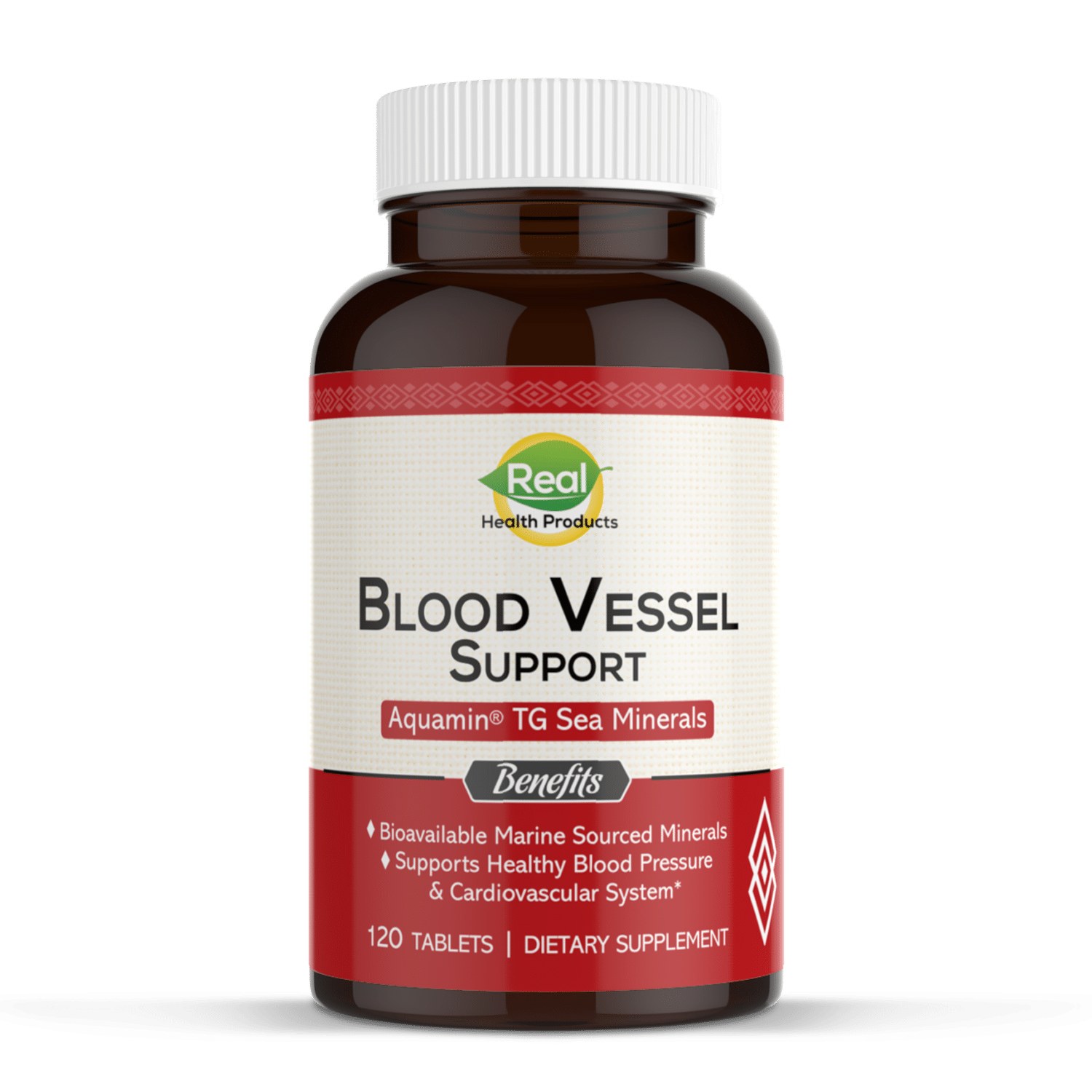

Blood Vessel Support
$37.20
*These statements have not been evaluated by the Food and Drug Administration. This product is not intended to diagnose, treat, cure or prevent any disease.
RHP Blood Pressure Support Formula is a unique combination of vitamins, minerals and herbs in a special form, and in sufficient dosage to provide your body with the nutritional support it needs to support healthy blood pressure levels and a healthy cardiovascular system.
“Calcium, magnesium, potassium, and a reduced amount of sodium work together to optimize blood pressure. And each has an effect on the actions of the others.
“For example, low magnesium will cause low potassium, so until the missing magnesium is replaced, taking potassium alone will not increase blood potassium levels.
“And if you want to reduce blood pressure, taking more calcium, potassium, and magnesium together, combined with a low sodium intake, will be more effective than doing any of these things by itself.”
Excerpted from What Your Doctor May Not Tell You About Hypertension
by Mark Houston, M.D, and Barry Fox, Ph.D.
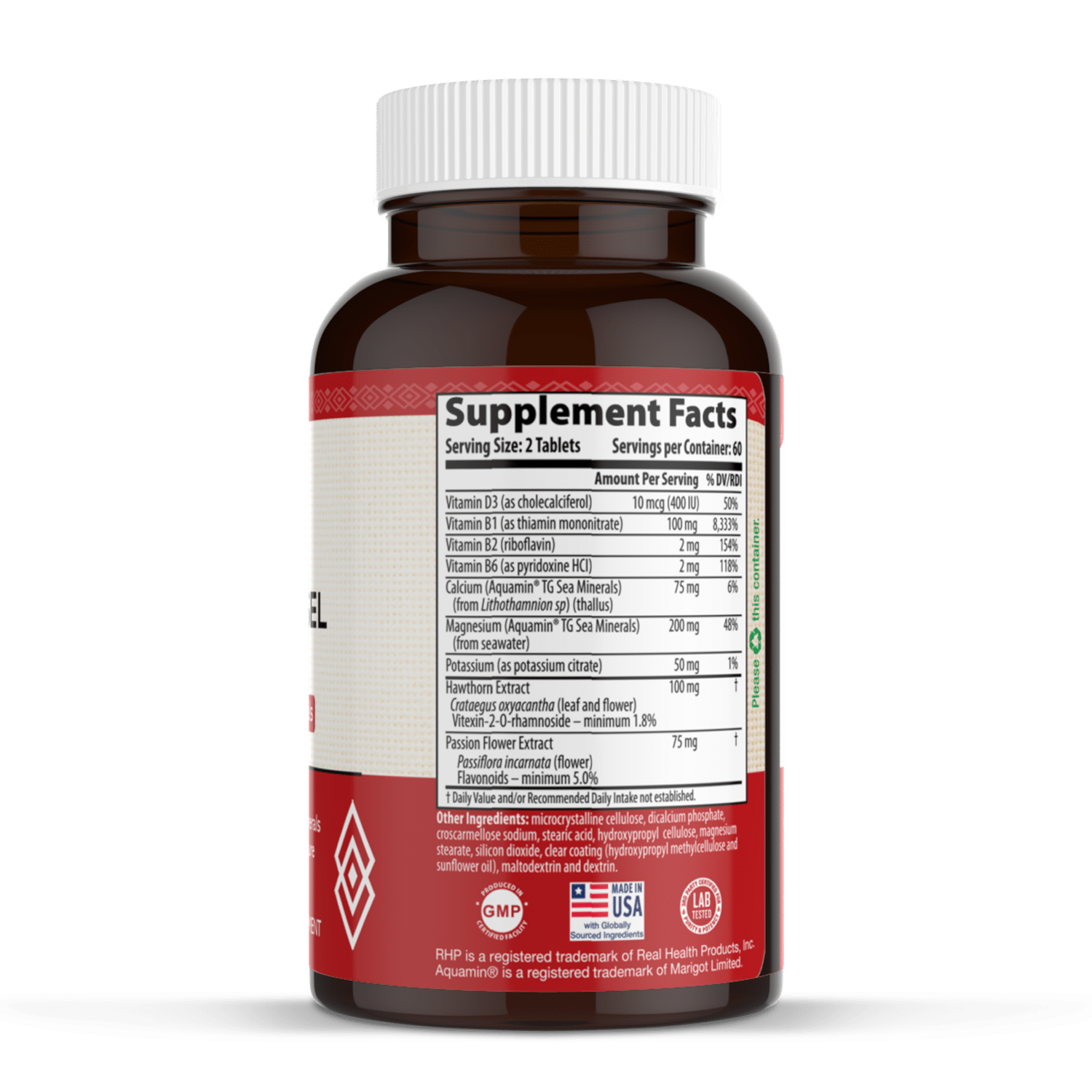
Supplement Facts
RHP Blood Pressure Support Formula is a unique combination of vitamins, minerals and herbs in a special form, and in sufficient dosage to provide your body with the nutritional support it needs to support healthy blood pressure levels and a healthy cardiovascular system.
Magnesium
One of the most important nutrients for people who want to support healthy blood pressure is magnesium. Magnesium allows the smooth muscle cells that line the blood vessels in the body to relax.
The chemical forms of magnesium normally available in health food shops and drug stores (magnesium oxide, magnesium chloride, magnesium gluconate, magnesium lactate, magnesium aspartate, magnesium hydroxide, magnesium sulfate and magnesium citrate) do not interact with the body in the same fashion as magnesium amino acid chelate.
Those forms when used in sufficient quantity, most often cause the bowels to loosen and you end up with severe diarrhea. This should not occur with the RHP Blood Pressure Support Formula.
In fact, magnesium must be combined with other minerals in daily supplements to be most effective in helping support healthy blood pressure levels.
Potassium
Evidence indicates that potassium supports health blood pressure levels and has many other health benefits, therefore, we included potassium in the RHP Blood Pressure Support Formula.
Calcium
It might seem unusual for a natural blood pressure product to contain calcium, when so many people are on blood pressure medications classified as “calcium channel blockers.” (“Calcium channel blockers” block the uptake of calcium by the cells lining the arteries.)
But there is a reason!
“Odd as this may seem at first glance, adequate levels of calcium in the body keeps excess calcium from entering the cells. Low levels of calcium in the body cause a buildup inside the cells.
“The pressure exerted by proper levels of calcium in the body on cellular walls keeps those cell walls healthy. This prevents calcium from leaking into the cell that would result in excess calcium within the cell.
“This results in less tension in the cells lining the blood vessels and healthy blood pressure.”
Excerpted from Reversing Hypertension
by Julian Whitaker, M.D.
Vitamin D3

Vitamin D3 is actually manufactured by the body if we get enough sunshine. Exercise and calcium from our diet are also required to manufacture vitamin D3. Most of us do not get enough exercise and fail to eat calcium rich foods like vegetables and/or dairy products, or oily fish.
Without enough vitamin D, one can’t form enough of the hormone calcitriol (known as the “active vitamin D”). This in turn leads to insufficient calcium absorption from the diet. This is why our daily supplements include vitamin D.
Vitamins B1, B2 and B6 have been shown to support healthy blood pressure levels and glucose metabolism. Also included in our nutritional supplements are two vital botanical extracts that have been shown to help support healthy blood pressure levels.
Hawthorn Extract
Hawthorn has been used for hundreds of years by herbal practitioners. More recently it has been used as a safe and effective way to help strengthen and normalize the entire cardio-vascular system, which is super important as an ingredient in our blood vessel support daily supplements.
Passion Flower Extract
Passion flower has been historically used as a safe and effective herb to help reduce sleeplessness, nervous tension, and irritability.
Passion Flower Extract contains active ingredients that help to relieve anxiety, relax and calm the individual. This acts to reduce day-to-day stress, which is why you’ll see it in our nutritional supplements.
RHP Blood Pressure Support Formula contains vitamins and minerals which are in a form that are highly bioavailable. These vitamins and minerals are much better absorbed, utilized and retained by the body. If you have high blood pressure and are looking for a daily supplement, that can help, speak to your doctor about our Blood Pressure Support vitamin today!
(IMPORTANT NOTE: If you are taking any prescription medications, please consult with your doctor before using the RHP Blood Pressure Support Formula.)
